


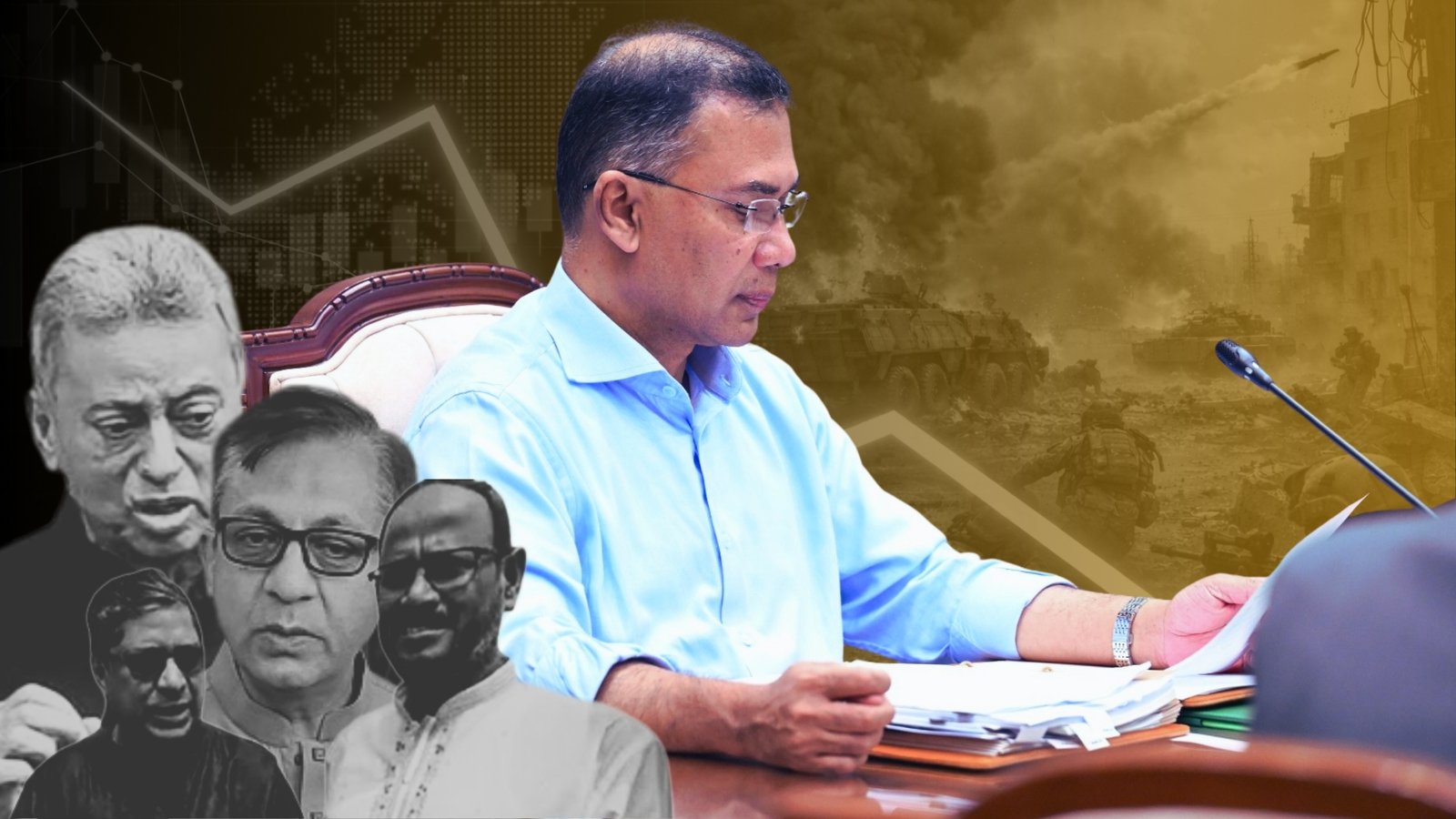
A high-level cabinet meeting, presided over by Prime Minister Tarique Rahman at the Parliament Secretariat on Thursday (April 2), has resulted in a radical restructuring of Bangladesh’s public expenditure and daily operations.
To fortify the nation against the volatility of international energy markets, the government introduced wide-ranging austerity mandates and emergency safeguards. This administrative pivot serves as a direct intervention to counter the logistical and economic disruptions arising from the ongoing warfare in the Middle East.
Restructuring of public and commercial hours
In a decisive move to optimize energy consumption, the government has mandated new operating hours for both the public and private sectors. Effective immediately, all government and private offices will operate within a condensed window from 9:00 am to 4:00 pm.
Under the new energy-saving mandate, the banking sector will now facilitate public services within a condensed timeframe of 9:00 am to 3:00 pm, aiming to reduce the operational load on the national grid.
Further measures extend to the retail sector, where all shopping malls and commercial markets across the country are required to cease operations by 6:00 pm.
Cabinet Secretary Nasimul Ghani, while briefing journalists at the Jatiya Sangsad Bhaban media center, clarified that essential services, including pharmacies, food outlets, and kitchen markets, are exempt from these restrictions.
The government has established a three-month window for these austerity protocols, with any future extensions or revisions depending on the state of global geopolitical stability.
Fiscal austerity and expenditure controls
The cabinet has authorized a significant reduction in state spending to preserve foreign currency reserves and maintain fiscal discipline. For the upcoming quarter, the government has prohibited the procurement of all new vehicles, watercraft, and aircraft.
This moratorium also extends to office equipment and computers. In a move to maximize resource allocation, the administration has halved the budget for internal training initiatives, while simultaneously imposing an indefinite moratorium on all government-funded overseas training programs.
To further curb operational costs, the government has mandated a 50 percent reduction in all expenditures related to official seminars and administrative gatherings. Perhaps most critically, the government aims to reduce its spending within the power, energy, and gas sectors by 30 percent.
Highlighting the administration’s foresight, Cabinet Secretary Ghani noted that the Ministry of Education will issue staggered guidelines from Sunday. The objective is to implement energy-saving protocols while insulating the education sector from any potential negative repercussions.
Transport solutions and educational reforms
In an effort to alleviate the capital city’s chronic traffic congestion and reduce the reliance on private fuel-run vehicles, the government has announced an initiative to introduce electric buses for students.
To facilitate this transition, educational institutions participating in the program will be permitted to import new electric buses duty-free. The private sector is also being encouraged to join this initiative, till a 20 percent duty will apply to vehicles imported for commercial purposes.
The move reflects a broader vision to overhaul the transportation network, aiming to foster a sustainable and modern system that remains resilient despite the immediate pressures of the global energy crisis.
Economic outlook and potential adjustments
Speaking from Chattogram, Finance and Planning Minister Amir Khasru Mahmud Chowdhury provided a somber assessment of the global crisis during an event at the Korean Export Processing Zone.
The minister warned that while there is currently no shortage of fuel in the local market, the high cost of international imports is placing an unsustainable burden on national reserves. He suggested that a revision of local energy pricing may become unavoidable if global market volatility continues, framing such potential adjustments as essential for maintaining a stable and secure national energy supply.
Minister Chowdhury noted that even developed nations like the United States are grappling with similar challenges due to their dependence on Middle Eastern supplies.
He highlighted that while export earnings in the garment and agro-product sectors have declined, the government remains optimistic that strong remittance inflows will help stabilize the economy.
He also emphasized the importance of the capital market as an alternative to bank-based debt for future investments.
Diversification of energy supply chains
To counter the instability in the Middle East, Bangladesh is diversifying its fuel sources. In Chattogram on Friday afternoon, the Singaporean vessel MT Yuan Jing He docked at the Dolphin Jetty with 27,300 tons of diesel.
It marks the ninth fuel shipment to arrive since the regional conflict began. Port authorities also confirmed that another vessel, the SHAN GANG FA ZHAN, is expected shortly with 34,000 tons of diesel from Malaysia.
Beyond these shipments, the government is finalizing import agreements with Indonesia and Kazakhstan.
These efforts are complemented by the arrival of large Liquefied Petroleum Gas (LPG) and Liquefied Natural Gas (LNG) carriers at the port’s outer anchorage, ensuring that the energy pipeline remains functional despite the global turmoil.
Regional Reassurance and Industrial Stability
In Tangail, State Minister for Local Government Mir Shahe Alam reassured the public that the fuel supply remains normal and that there is no immediate crisis.
During a visit to Mahmudul Hasan Chand Bazar, he noted that the current measures are preventative rather than reactive. He also took the opportunity to critique past development records, suggesting that the current administration is now addressing long-standing infrastructure needs at the field level.
Parallel to this, in Sylhet, Industries, Jute, and Commerce Minister Khandakar Abdul Muktadir engaged with the local business community, calling for strict and disciplined compliance with the 6:00 pm mandatory closure for retail establishments.
He emphasized that cooperation is essential to manage the national power load during peak hours. He noted that many nations utilize daylight saving time adjustments during crises and that Bangladesh’s current measures are a localized version of global precautionary standards.
Minister Muktadir further stated that the Ministry of Energy has secured the necessary gas supplies to keep industrial factories operational, ensuring that national production remains steady despite the slowdown in global consumption.