


Bangladesh has accelerated a multi-front strategy to safeguard its energy security, marked by the arrival of major fuel shipments at Chattogram Port and a series of high-level policy interventions aimed at mitigating the impact of global geopolitical instability.
The energy influx began as the Chinese-flagged vessel Shan Gang Fa Xian reached the Chattogram Port outer anchorage with 34,000 tons of Malaysian diesel, following the arrival of the Yuan Xing He, which is currently discharging 27,300 tons of Singaporean diesel.
These arrivals represent the ninth and tenth shipments to reach the port since the conflict in the Middle East began. Syed Reafayet Hamim, Secretary of the Chattogram Port Authority, confirmed that the port has implemented a priority berthing protocol for all energy carriers to ensure a steady supply to the national grid.
Parallel to these logistical efforts, the Cabinet Committee on Government Purchase, led by Finance Minister Amir Khosru Mahmud Chowdhury, approved the procurement of 100,000 metric tons of diesel from the Kazakh Gas Processing Plant LLP for approximately 689.29 crore BDT.
The committee also cleared the emergency purchase of two cargoes of Liquefied Natural Gas (LNG) from Aramco Trading Singapore. These measures are further reinforced by a collaborative framework with the Asian Infrastructure Investment Bank (AIIB), providing critical support for the nation’s energy transition.
Following a consultation between Prime Minister Tarique Rahman and representatives from the AIIB, Finance Minister Chowdhury confirmed the bank’s commitment to providing budget support and specialized financing for solar energy initiatives.
This strategic partnership underpins the government’s ambition to transition 20 to 30 percent of its power generation to solar sources, a move designed to mitigate the risks associated with the volatile global fossil fuel market.
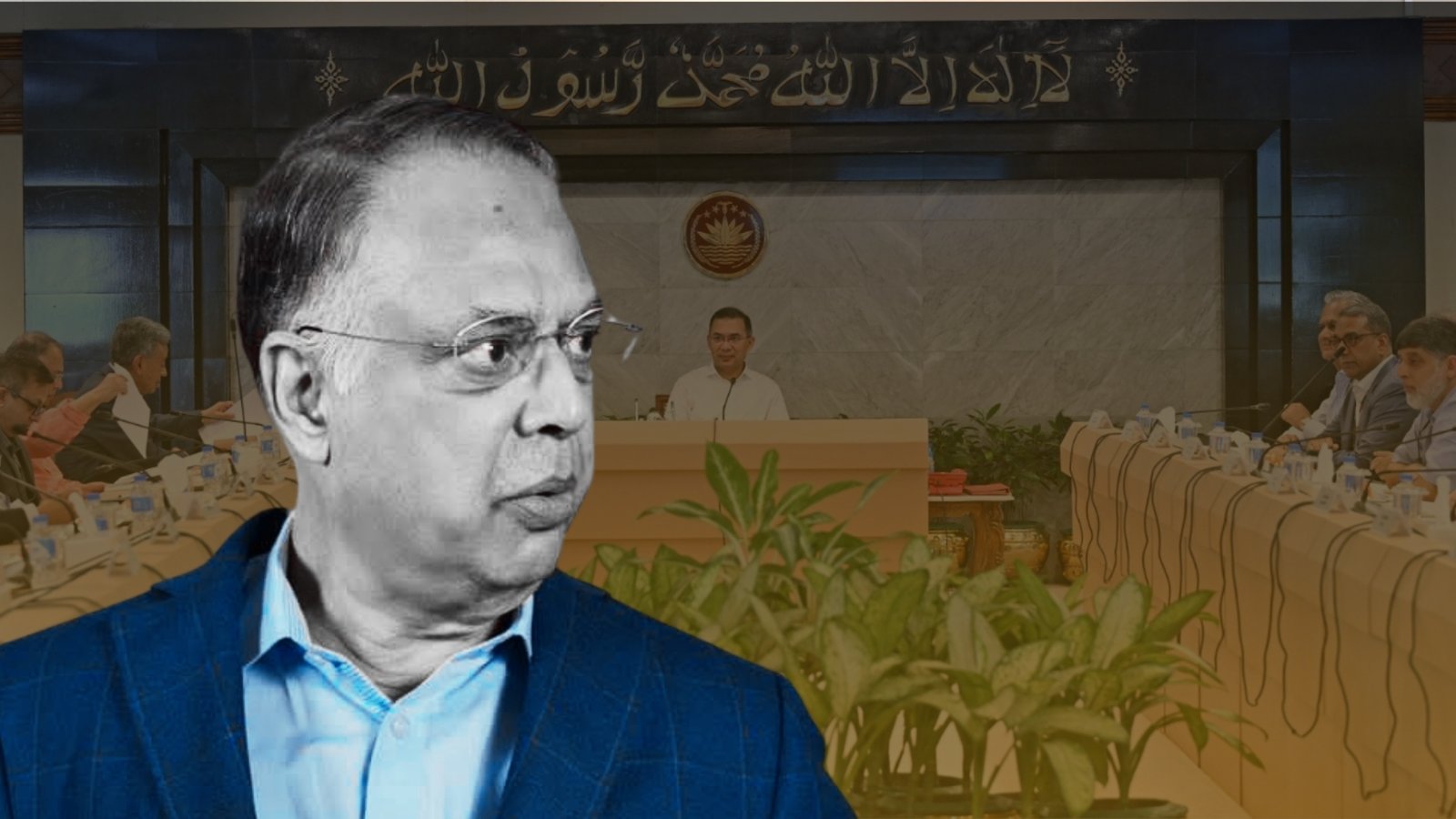
In a landmark step to integrate industrial expertise into national governance, Prime Minister Tarique Rahman chaired the inaugural meeting of the newly formed Private Sector Advisory Council. This advisory framework is structured to facilitate candid, evidence-based input for the government regarding the nation’s investment climate and pressing energy challenges.
The members appointed to this council include Dr. Arif Dowla of ACI PLC, Syed Nasim Manzur of Apex Footwear Ltd, Hafizur Rahman Khan of Runner Group, Ahsan Khan Chowdhury of PRAN-RFL Group, Ziaur Rahman of Bay Group, Abdul Muktadir of Incepta Group, Md Abdul Jabbar of DBL Group, Sohana Rouf Chowdhury of Rangs Group, and Syed Mohammad Tanvir of Pacific Jeans Group.
Addressing the council, the Prime Minister emphasized the need to harmonize Bangladesh’s regulatory environment with international standards to maintain the nation’s standing as a prime destination for foreign capital.
To further manage the energy demand during the peak summer and irrigation seasons, the government has mandated a rescheduling of office hours for the next three months. The Ministry of Public Administration announced that government and private offices will now operate from 9:00 AM to 4:00 PM.
Power and Energy Minister Iqbal Hasan Mahmood Tuku emphasized that these measures, supported by the business community, are essential for conservation. He noted that the government remains flexible, with the possibility of adjustments following ongoing consultations with private sector stakeholders.
Combined, these diplomatic, administrative, and logistical actions reflect a comprehensive state effort to navigate the ongoing global energy crisis.