

Bangladesh is currently navigating a high-stakes diplomatic minefield as a confrontation between Iran and its Gulf neighbors forces the South Asian nation into a delicate balancing act.
Within 24 hours of a rare and critical press conference by the Iranian Ambassador in Dhaka on Wednesday (April 1), the Bangladeshi government launched a whirlwind of “solidarity diplomacy” with the United Arab Emirates (UAE) and Kuwait, signaling its urgent need to protect both its energy security and the millions of its citizens working in the Gulf.
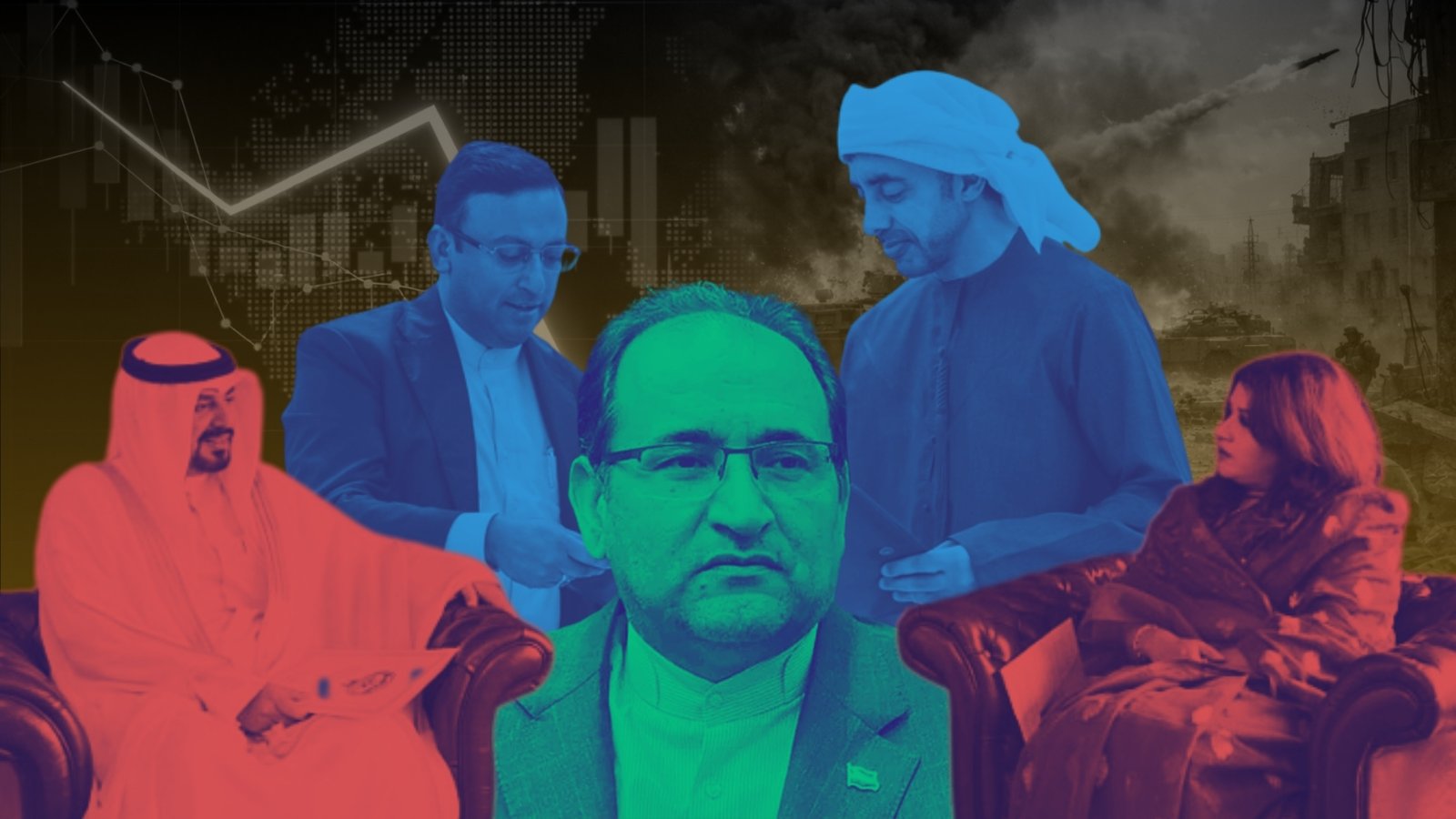
The diplomatic friction peaked on Wednesday, when Iranian Ambassador Jalil Rahimi Jahanabadi publicly expressed Tehran’s “dissatisfaction” with Dhaka’s official stance on the escalating Middle East conflict.
In a blunt assessment, Jahanabadi noted that as a Muslim-majority nation and a member of the Organization of Islamic Cooperation (OIC), Iran expected Bangladesh to issue a “clearer and bolder” condemnation of what it termed “aggressive forces”—referring to the US and Israel. While the Ambassador confirmed he would not send a formal letter of protest, he signaled his intent to raise the grievance directly with Prime Minister Tarique Rahman during their next meeting.
Jahanabadi announced that the Iranian National Security Council had granted safe passage to six Bangladeshi-flagged fuel tankers previously stranded in the Strait of Hormuz. This “humanitarian gesture” underscored Iran’s control over Bangladesh’s vital energy arteries, serving as a subtle reminder to Dhaka of the physical and economic risks associated with its diplomatic choices.
A Swift Pivot to the Gulf
Dhaka’s response was immediate and focused on its Arab partners. On Wednesday evening [April 1, 2026], Bangladesh’s Foreign Affairs Adviser Humayun Kabir met with UAE Deputy Prime Minister and Foreign Minister Sheikh Abdullah bin Zayed Al Nahyan in Abu Dhabi. Acting as a special envoy, Kabir hand-delivered a personal letter from Prime Minister Tarique Rahman to UAE President Sheikh Mohammed bin Zayed Al Nahyan, expressing “firm solidarity” with the UAE leadership and its people amidst the regional conflict.
This rapid outreach was a calculated move to reinforce ties with a nation that hosts a massive Bangladeshi expatriate workforce and serves as a primary source of national remittances.
The diplomatic surge continued on Thursday (April 2) in Dhaka, where State Minister for Foreign Affairs Shama Obaed Islam held an urgent meeting with Kuwaiti Ambassador Ali Thunayun Abdulwahab Hamadah. Reaffirming Bangladesh’s commitment to “non-interference and peaceful resolution,” Islam offered humanitarian support to Kuwait if needed.
These twin maneuvers, solidarity with the UAE and an offer of aid to Kuwait, highlight Dhaka’s strategic priority: ensuring the safety of nearly 1.5 million Bangladeshis in these two countries while securing long-term energy and investment partnerships that transcend the immediate Iran-Arab rift.
Domestic Energy Anxiety and the ‘Panic’ Factor
The regional tension has triggered a secondary crisis at home: a domestic energy scramble. Addressing the Jatiya Sangsad (Parliament) on Thursday, Power, Energy, and Mineral Resources Minister Iqbal Hassan Mahmood urged the public to avoid “panic buying,” revealing that fuel sales at petrol pumps had surged so violently that stocks meant for 36 hours were being depleted in just two hours.
While the Ministry maintains that the country has sufficient reserves, including 271,374 tonnes of diesel, the government instructed Deputy Commissioners on Thursday to prioritize diesel for farmers to prevent a secondary agricultural crisis.
Compounding the supply anxiety, a major derailment in Habiganj’s Madhabpur on Wednesday night led to the loss of approximately 80,000 liters of diesel. The accident, which saw locals braving security forces to collect spilled fuel until Thursday evening, has put additional strain on the distribution network to the northeastern region.
Navigating a New Reality
As the war of words between Tehran and the Arab capitals intensifies, Bangladesh is also moving to de-risk its broader energy infrastructure.
Minister Mahmood informed Parliament on Thursday that the government is actively considering amending its 2017 power purchase agreement with India’s Adani Power, following a national committee report that labeled the deal “unusually expensive” and against national interests.
By simultaneously challenging legacy energy contracts and reinforcing ties with the Gulf, the Bangladeshi government is attempting to build a shield of “pragmatic resilience.”
For Dhaka, the objective is no longer just about choosing a side in a regional war; it is about surviving the economic shrapnel of a conflict that threatens its fuel supply, its workforce abroad, and its fragile stability at home.