

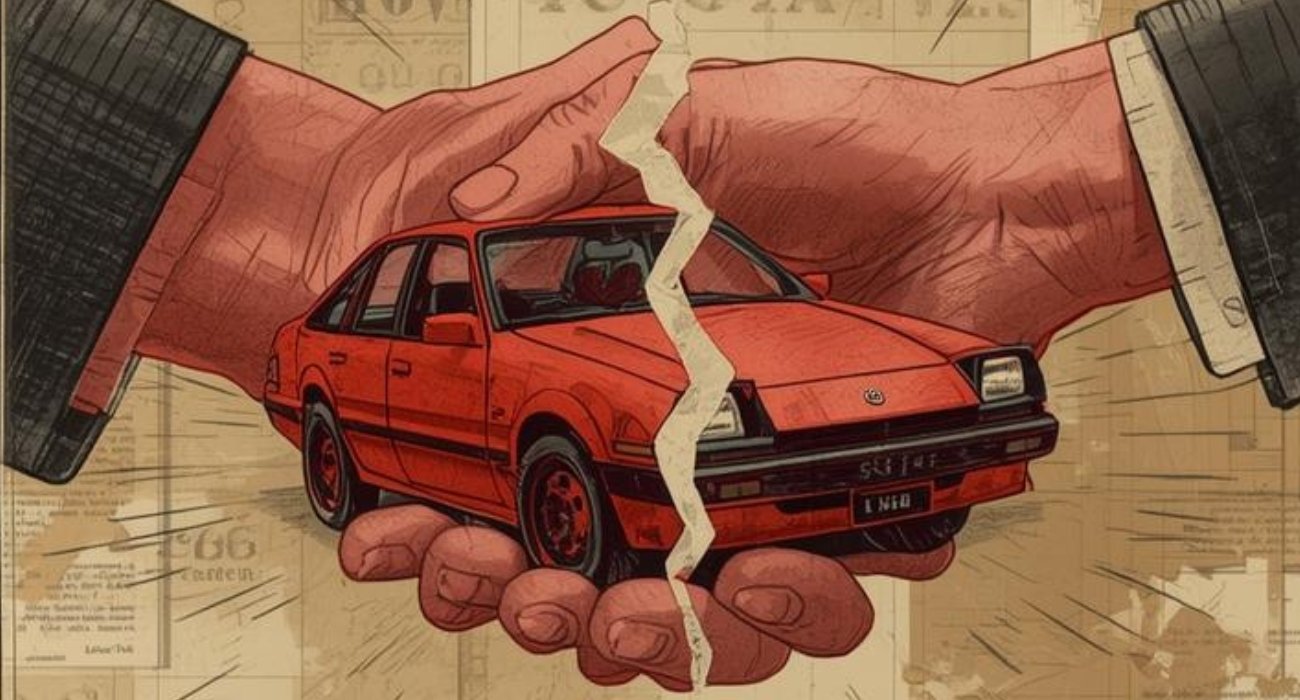
Photo: Symbolic illustration
A landmark corporate partnership that has defined the Bangladeshi automotive landscape for six decades is facing a terminal crisis following a sensational investigation by the Police Bureau of Investigation (PBI).
The probe, initiated after a criminal complaint was filed on July 9 by Shafiul Islam, chairman of Navana Limited, has uncovered a sophisticated plot to dismantle the company’s exclusive Toyota distributorship.
Since April 20, 1964, Navana Limited has been the sole representative of Toyota in Bangladesh, transforming the Japanese brand into a household name and building a conglomerate that also introduced Hino and Goodyear to the local market.
Nevertheless, this legacy is currently involved in a legal dispute with high-ranking officials from Toyota Tsusho Corporation, the global trading arm of the Toyota Group, and a recently established local entity.
The legal weight of the PBI’s findings is substantial, establishing prima facie evidence under Sections 406 and 417 of the Penal Code for criminal breach of trust and cheating.
This case has sent shockwaves through the international business community, highlighting the vulnerability of established distributorships to “insider fraud” involving foreign executives.
From Partnership to Prosecution
The fallout accelerated following Toyota Tsusho’s announcement of a new business structure in Bangladesh, effective July 1.
According to the PBI’s findings submitted to the Chief Metropolitan Magistrate Court, this restructuring served as a smokescreen for a deeper conspiracy involving Japanese national Akio Ogawa, Indian-origin Malaysian Premmit Singh, and local executive Asif Rahman.
The investigation concludes that these individuals acted with a common intention to cripple Navana’s operations by supplying falsified market performance reports to Toyota’s global headquarters.
The accused allegedly created a misleading narrative about Navana’s inability to meet market demand to justify transferring the multi-million-dollar business to their newly registered firm, Toyota Bangladesh Ltd. This action effectively ended a 60-year partnership through fraudulent means.
The Blueprint of a Corporate Takeover
The PBI report outlines a series of calculated actions intended to cause financial paralysis and damage to Navana’s reputation.
The accused are alleged to have manipulated data and deliberately delayed the production of vehicles for which customers had already paid. Additionally, they withheld the mandatory manufacturer invoices required for customs clearance in Bangladesh.
These actions exposed Navana to significant customs penalties and administrative complications, effectively undermining the legitimate business operations of one of the country’s most respected companies.
As the court prepares for a crucial hearing on December 30, 2025, this case serves as a stark warning about the vulnerabilities faced by local partners in high-value international distributorships, marking a troubling chapter for a partnership that once symbolized Japanese-Bangladeshi economic cooperation.